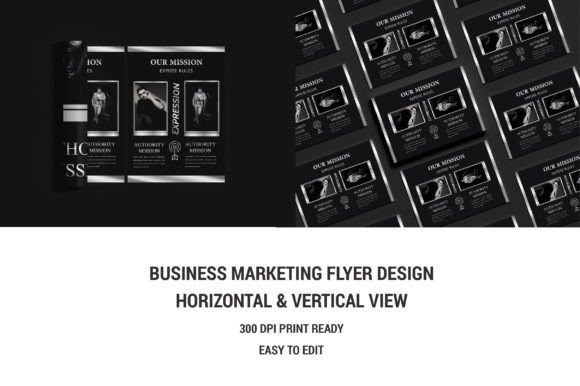
Business Marketing Flyer Design: A Comprehensive Guide
In today's competitive business landscape, effective marketing is essential for attracting customers and building brand awareness. One of the most powerful tools in a marketer’s arsenal is the business marketing flyer. These printed materials serve as a direct line of communication between a business and its target audience, offering a quick and visually engaging way to convey key messages. Whether you're launching a new product, promoting an event, or simply increasing your visibility, a well-designed flyer can make all the difference.
What Is a Business Marketing Flyer?
A business marketing flyer is a single-page printed document that contains information about a company, its products, services, or special offers. It is designed to be eye-catching, informative, and easy to distribute. From local businesses to large corporations, flyers are used across industries to communicate with potential customers in a concise and impactful manner.
Modern business marketing flyers often include elements such as high-quality images, clear call-to-action statements, and branding elements like logos and color schemes. They can be distributed in physical locations, handed out at events, or even mailed directly to customers' homes.
The Importance of a Well-Designed Flyer
A poorly designed flyer can do more harm than good. It may confuse the reader, fail to communicate the intended message, or even damage the credibility of a business. On the other hand, a professionally designed flyer can enhance brand recognition, drive customer engagement, and ultimately lead to increased sales or conversions.
Designing a successful flyer requires attention to detail, understanding of the target audience, and a clear message. It also involves choosing the right format, size, and resolution to ensure that the final product looks great on paper and meets industry standards.
Key Features of a Professional Business Marketing Flyer
When creating a business marketing flyer, it's important to consider several key features that contribute to its effectiveness. Here are some of the most important aspects to keep in mind:
Printable Size and Resolution
The size and resolution of a flyer play a crucial role in its visual appeal and print quality. Common printable sizes include A4, A5, and 8.5 x 11 inches. Choosing the right size depends on the purpose of the flyer and where it will be distributed.
Resolution is equally important. A resolution of 300 DPI (dots per inch) is considered standard for high-quality printing. This ensures that images and text appear sharp and clear when printed, avoiding any blurriness or pixelation that could detract from the overall look of the design.
File Formats and Color Mode
Professional designers often provide flyers in multiple file formats to accommodate different needs. Common formats include Adobe Illustrator (EPS), JPEG (JPG), and other editable vector files. These formats allow for flexibility in editing and customization.
Color mode is another critical consideration. Most print-ready designs use CMYK (Cyan, Magenta, Yellow, Key/Black) color mode, which is suitable for printing. RGB (Red, Green, Blue) is typically used for digital displays, so it's important to ensure that the design is converted to CMYK before printing to avoid unexpected color shifts.
Easy to Edit and Free Font Use
A good business marketing flyer should be easy to edit, allowing users to customize text, colors, and layout without requiring advanced design skills. Many templates come with pre-designed elements that can be easily modified to suit specific needs.
Free font use is another important feature. Using free fonts ensures that the design remains accessible and cost-effective while still maintaining a professional appearance. However, it's important to choose fonts that are legible and appropriate for the business's brand identity.
Understanding the Vertical and Horizontal Preview Template
When designing a business marketing flyer, it's helpful to have a template that provides both vertical and horizontal previews. This allows designers to visualize how the flyer will look in different orientations, ensuring that the layout works well in both formats.
A vertical preview is ideal for flyers that are meant to be displayed on a stand or hung on a wall, while a horizontal preview is better suited for folded or booklet-style designs. Having access to both previews helps in making informed design decisions and ensures that the final product is versatile and functional.
Vector Elements and Image Considerations
Many business marketing flyer templates include 100% vector elements, which offer several advantages. Vectors are scalable without losing quality, making them perfect for resizing the design without distortion. They also allow for easier editing and customization compared to raster images.
It's important to note that images are not included in many templates. This means that users must source their own images or use stock photos that are appropriate for the design. While this may require additional effort, it also gives more control over the visual content and ensures that the flyer aligns with the brand's identity.
How to Use the Template Effectively
Using a business marketing flyer template can save time and ensure consistency in design. However, to get the most out of the template, it's important to understand how to navigate and modify the files effectively.
For those who are not familiar with design software like Adobe Illustrator, it may be helpful to seek guidance or support. Many templates come with instructions or tutorials to help users customize the design. If you need assistance, don't hesitate to reach out to the designer or a professional graphic artist for help.
Customization is key to making the flyer unique to your business. Whether you're adding your logo, changing the color scheme, or adjusting the text, taking the time to tailor the design will result in a more effective marketing tool.
Conclusion: The Value of a Professionally Designed Flyer
In a world where first impressions matter, a well-designed business marketing flyer can be a powerful asset. It serves as a tangible representation of a brand, communicates key messages, and drives engagement with potential customers. By focusing on the right features—such as printable size, resolution, file formats, and ease of editing—businesses can create flyers that look great and perform well.
Whether you're using a vertical and horizontal preview template or customizing a design from scratch, the goal is to create a flyer that stands out, informs, and inspires action. With the right tools and a clear understanding of design principles, even beginners can produce professional-looking marketing materials that make an impact.
If you need help using the file or want to make custom changes, feel free to contact the designer. With the right support, you can turn a simple template into a compelling marketing tool that helps your business succeed.