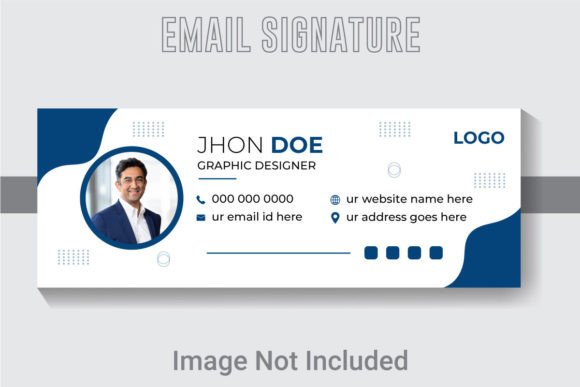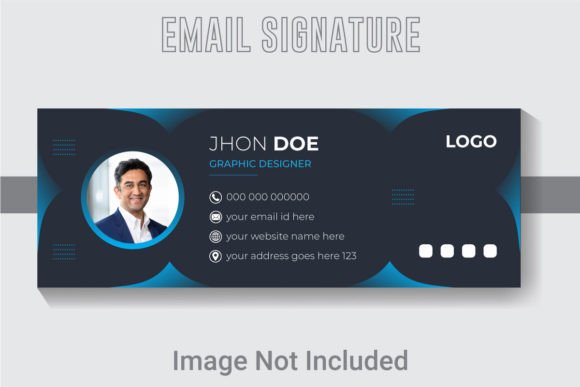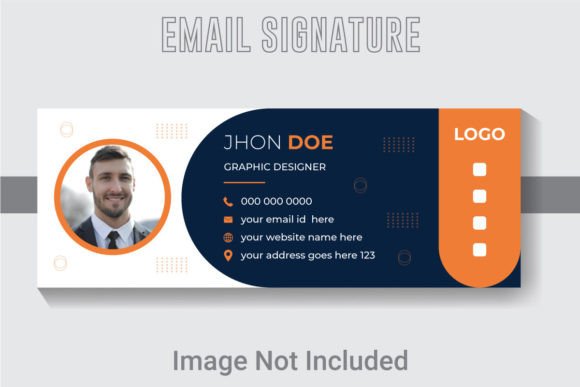
Email Signature Template: A Professional Touch for Digital Communication
In today's digital age, email remains one of the most effective tools for communication, especially in professional and business settings. A well-designed Email Signature Template can make a significant difference in how you present yourself to clients, colleagues, and partners. Whether you're a small business owner, a freelancer, or a corporate professional, having a polished and functional email signature is essential.
Understanding Email Signature Templates
An Email Signature Template is a pre-designed layout that includes your contact information, such as your name, title, company, phone number, website, and social media links. It serves as a digital business card, offering recipients quick access to your details without requiring them to search for your information elsewhere.
These templates are typically created using design software like Adobe Illustrator, allowing for precise control over elements such as font choices, color schemes, and image placement. The 851x315 pixel RGB Color Design ensures that the template is visually appealing and compatible with most email clients, while the 300 DPI Resolution guarantees high-quality output when printed or viewed on screens.
Key Features of a Professional Email Signature Template
A well-structured Email Signature Template should include several key features to enhance usability and aesthetics:
- Editable Text and Fonts: The ability to customize text and fonts allows users to align the signature with their brand identity.
- Customizable Colors: Using an RGB Color Design, users can choose colors that match their company’s branding or personal style.
- Layered Organization: A well-layered design in Adobe Illustrator makes it easy to adjust elements without disrupting the overall layout.
- Multiple File Formats: The inclusion of AI, EPS, and JPG files ensures compatibility across different platforms and applications.
These features make Email Signature Templates versatile and adaptable, catering to a wide range of users from beginners to advanced designers.
Who Benefits from Using an Email Signature Template?
The Email Signature Template is particularly beneficial for professionals who rely heavily on email communication. Here are some groups that can greatly benefit:
- Business Owners: A custom email signature helps reinforce brand identity and provides customers with direct contact information.
- Freelancers and Consultants: These individuals often work with multiple clients and need a consistent way to share their credentials and services.
- Students and Educators: Academic professionals can use signatures to include their university affiliation, office hours, and contact details.
- Online Entrepreneurs: E-commerce and digital marketers can use signatures to promote their websites, social media profiles, and other online assets.
Whether you're sending a simple message or a detailed proposal, a professional Email Signature Template adds a level of credibility and professionalism to your correspondence.
Real-World Applications of Email Signature Templates
Let’s explore some practical scenarios where Email Signature Templates play a crucial role:
- Client Communication: When reaching out to potential clients, a well-designed signature makes it easier for them to learn more about your business and contact you directly.
- Team Collaboration: In a corporate environment, standardized email signatures help maintain a cohesive brand image across all team members.
- Networking: During professional networking events or email exchanges, a clear and concise signature can leave a lasting impression.
- Marketing Campaigns: Including a signature in marketing emails can drive traffic to your website and increase engagement with your brand.
By incorporating a Email Signature Template into your daily email routine, you can streamline communication and improve your professional presence.
Considerations and Limitations
While Email Signature Templates offer numerous benefits, there are a few considerations to keep in mind:
- Compatibility Issues: Not all email clients may render the template correctly, especially if it contains complex graphics or embedded fonts.
- Overdesign: An overly complicated template might appear unprofessional or be difficult to read on mobile devices.
- Version Requirements: Some templates may require Adobe Illustrator CS6 or higher, which could be a barrier for users without access to this software.
It's important to evaluate the suitability of a Email Signature Template based on your specific needs and technical capabilities. For instance, if you're not familiar with design software, you may want to opt for a simpler template or use an online builder.
Evaluating the Right Email Signature Template for Your Needs
To determine which Email Signature Template best suits your requirements, consider the following factors:
- Brand Identity: Choose a template that reflects your company's visual style and values.
- Functionality: Ensure that the template includes all necessary contact information and is easy to update.
- Technical Compatibility: Verify that the file formats provided (AI, EPS, JPG) are supported by your preferred design or email client software.
- Customization Options: Look for templates that allow for easy editing of text, colors, and images without requiring advanced design skills.
By taking these factors into account, you can select an Email Signature Template that enhances your professional image while meeting your practical needs.
Conclusion
A well-crafted Email Signature Template is more than just a digital footnote—it's a powerful tool for building trust, reinforcing brand identity, and facilitating communication. With the right design, including features like 851x315 pixel RGB Color Design and 300 DPI Resolution, you can create a signature that looks great on any device and stands out in a crowded inbox.
Whether you're starting a new business, expanding your professional network, or simply looking to improve your email presence, investing in a quality Email Signature Template can make a meaningful difference. By understanding its purpose, features, and applications, you can make an informed decision that aligns with your goals and enhances your digital communication strategy.